Source Pressure Sensors for Industrial, Automotive, and HVAC
Find 30 pressure sensors including strain gauge, piezoresistive, and inductive types. Compare specifications for accuracy, IP ratings, and output signals to select the right component for your industrial applications; compare the available evidence and request quotations based on your requirements.
Key considerations
Products List






Comprehensive Sourcing Guide
Pressure Sensors Sourcing Guide
Procuring pressure sensors requires a disciplined approach to aligning technical performance with industrial reliability. Buyers must navigate a diverse market where components range from basic mechanical gauges to advanced piezoresistive and strain gauge transmitters. The selection process hinges on understanding the specific measurement object, such as outside diameter or fluid pressure, and the required output signal type. This guide provides a structured framework for evaluating suppliers, verifying technical specifications, and ensuring long-term operational stability.
Successful sourcing begins with defining the exact application environment and the nature of the measuring medium. Whether dealing with liquid, steam, or gas, the sensor material and structure type must withstand the operational stresses. This guide emphasizes the importance of verifying certifications, accuracy grades, and IP ratings before committing to volume orders. By focusing on evidence-based verification steps, procurement teams can mitigate risks associated with component failure and ensure that the selected pressure sensors meet rigorous industrial standards.
Product Scope and Observed Listing Signals
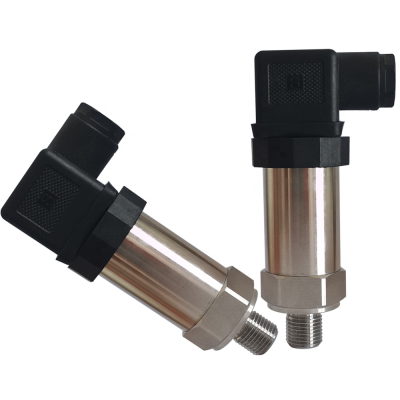
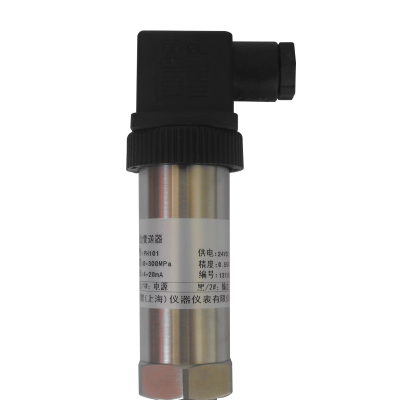
The current market for pressure sensors exhibits a wide variance in product types, including limit gauges, normal pressure transmitters, and inductive pressure sensors. Listings often highlight specific structural designs, such as diffused silicon or strain gauge configurations, which dictate the sensor’s sensitivity and durability. Buyers should observe that materials frequently include aluminum alloy and stainless steel, chosen for their corrosion resistance and mechanical strength. The presence of customization options suggests that many suppliers can adapt standard models to fit unique mounting requirements or specific thread types like NPT.
Observed listing signals also reveal a focus on precision and integration. Many products are described as having a precision gauge capability and are manufactured using integration processes to enhance reliability. The output signal type is predominantly analog, which remains the standard for many industrial control systems. Additionally, the shape of the components is often round, facilitating easy installation in standard piping or equipment interfaces. Buyers must carefully cross-reference these observed attributes with their technical requirements to avoid mismatches in form factor or signal compatibility.
Technical Specifications to Verify
Verifying the accuracy grade is a critical step in ensuring measurement reliability. Listings indicate accuracy grades such as 0.5G and 1.0G, which define the permissible deviation from the true value. Buyers must confirm that the selected grade aligns with the precision demands of their specific application. Furthermore, the range of measurement, such as 0-8500psi for certain gauges, must be validated against the maximum operating pressures of the system. Overlooking these numerical specifications can lead to sensor saturation or insufficient resolution in critical monitoring tasks.
The IP rating and thread type are equally vital for physical compatibility and environmental protection. Specifications often mention IP structures and NPT threads, which are essential for sealing connections and preventing ingress of dust or moisture. Buyers should verify the exact IP code to ensure the sensor can withstand the intended environmental conditions, whether it involves steam, liquid, or other aggressive media. Additionally, the connection type, such as 1/4" NPT or optional configurations, must match the existing infrastructure to avoid costly retrofitting or adapter usage during installation.
Compliance and Safety Documentation
Certification verification is paramount for ensuring that pressure sensors meet international safety and quality standards. Listings frequently cite ISO and CE certifications, which indicate adherence to specific manufacturing and safety protocols. Buyers must request valid certification documents to confirm that the supplier’s quality management systems are up to date. These certifications provide assurance that the components have undergone rigorous testing and comply with regulatory requirements in target markets, reducing legal and operational risks.
Beyond certifications, understanding the production process and material standards is essential for long-term reliability. Some products are noted to follow ceramic or stainless steel standards, which influence their thermal and chemical stability. Buyers should inquire about the specific production processes, such as normal wirewound or integration methods, to assess the robustness of the internal components. Ensuring that the supplier adheres to recognized standards helps in predicting the sensor’s lifespan and performance consistency under varying operational loads.
Cost Drivers and Commercial Terms
Pricing in the pressure sensor market is influenced by material quality, accuracy grade, and customization requirements. Observed price ranges vary significantly, reflecting differences in component complexity and supplier positioning. Buyers should analyze the cost structure relative to the specified accuracy and material type, such as stainless steel versus aluminum alloy. Higher accuracy grades and specialized materials typically command premium prices, but they offer greater reliability and reduced maintenance costs over time. Understanding these drivers helps in budgeting and negotiating favorable terms.
Minimum Order Quantities (MOQ) and packaging details also impact the total cost of ownership. Listings show MOQs ranging from 1 to 1000 units, allowing for flexibility in initial procurement. Buyers should consider the packaging type, such as cartons or standard export packages, to ensure safe transit and minimize damage risks. Additionally, lead times and payment terms should be clarified early in the negotiation process. Aligning commercial terms with production schedules ensures timely delivery and avoids disruptions in the supply chain.
Supplier Qualification and Quality Control
Evaluating supplier qualifications involves assessing their production capabilities and quality control processes. Buyers should verify that suppliers utilize standardized testing methods, such as the through check method, to ensure each unit meets specifications. The presence of customized production capabilities indicates a supplier’s flexibility to meet unique client requirements. It is essential to confirm that the supplier has a robust quality assurance system in place to maintain consistency across batches, especially for high-volume orders.
Quality control extends to the verification of component origins and manufacturing standards. Listings often indicate origins in China, with specific locations like Changsha mentioned for certain models. Buyers should request detailed information about the manufacturing facilities and the sourcing of raw materials. Ensuring that the supplier adheres to strict quality control measures helps in preventing defects and ensuring that the pressure sensors perform reliably in industrial applications. Regular audits and sample testing can further validate the supplier’s commitment to quality.
Long-Term Procurement Checks
Establishing long-term procurement checks involves monitoring supplier performance and product consistency over time. Buyers should implement a system for tracking field performance, including failure rates and maintenance intervals. Regular feedback loops with the supplier can help identify potential issues early and drive continuous improvement. By maintaining open communication and setting clear performance expectations, buyers can ensure that the pressure sensors continue to meet operational needs as applications evolve.
Additionally, staying updated on industry standards and technological advancements is crucial for future-proofing procurement strategies. Buyers should periodically review the relevance of current specifications against emerging industry requirements. This proactive approach allows for timely upgrades or replacements of components that may become obsolete. By integrating long-term checks into the procurement process, organizations can optimize their inventory management and ensure sustained operational efficiency with their pressure sensor investments.
FAQs
What certifications do the pressure sensors have?
The pressure sensors hold ISO and CE certifications as documented in the product specifications. These certifications indicate compliance with international quality and safety standards for industrial applications involving strain gauge and piezoresistive technologies.
Which materials are used for these pressure transmitters?
Manufacturers utilize Aluminum Alloy and Stainless Steel for constructing these pressure transmitters. The material choice ensures durability and resistance against various measuring mediums including liquid and steam in industrial environments.
Can I request custom specifications for these sensors?
Yes, customization is available for these pressure sensors to meet specific project requirements. Buyers can request tailored models like PT series or XYT-19C with specific accuracy grades ranging from 0.5G to 1.0G.
What is the minimum order quantity for these items?
The minimum order quantity ranges from 1 to 1000 units depending on the specific supplier and product model. Buyers should verify the exact MOQ when contacting vendors for models like QYK103 or WNK805.
How are these pressure sensors packaged for export?
Products are typically packed in cartons or standard export carton boxes designed for safe shipping. Some suppliers offer custom packaging options according to buyer requirements to ensure the integrity of the precision gauges during transit.
What accuracy grades are available for these transmitters?
Available accuracy grades include 0.5G and 1.0G for the pressure transmitters. These grades ensure precise measurement of outside diameter and other parameters for applications requiring high reliability in industrial settings.
Where are these pressure sensors manufactured?
These pressure sensors are manufactured in China, with specific origins noted in Changsha. Buyers can source directly from these locations to access a wide range of models including normal pressure transmitters and inductive sensors.